Resources
A Guide to Microdosing Psilocybin for Chronic Pelvic Pain in Women

Jan
Chronic pelvic pain is an invisible burden carried by millions of women worldwide. It is characterized by persistent discomfort in the lower abdomen or pelvic region that can last for six months or more. What makes chronic pelvic pain particularly challenging is its complexity; it is often multifactorial, involving the reproductive organs, the gastrointestinal system, the urinary tract, and even the musculoskeletal and nervous systems. For some women, the pain is sharp and stabbing, while for others, it may feel like a dull ache or a sensation of pressure. It can fluctuate in intensity, sometimes becoming so severe that it interrupts daily life, making even simple tasks like walking or sitting unbearable.
Despite its prevalence, chronic pelvic pain often goes undiscussed in both public and private spheres. The silence surrounding this issue reflects a larger societal discomfort with addressing women’s health problems, especially those related to the reproductive system. Many women suffer in isolation, afraid to speak up about their pain or frustrated by a medical system that doesn’t seem to take their suffering seriously. This sense of isolation is compounded by the fact that chronic pelvic pain is often dismissed as psychological, leaving women feeling like their pain is “all in their head.” This experience mirrors the broader conversation around how to recover from mom burnout, where invisible burdens—physical, emotional, or both—are often minimized or ignored.
This is where psilocybin, the active compound in magic mushrooms, enters the conversation. As traditional pain management approaches have often fallen short for those with chronic pelvic pain, alternative therapies are becoming more critical in the search for relief. Psilocybin, once used primarily in spiritual and ceremonial contexts, is now being explored for its therapeutic potential in managing various physical and mental health conditions. The idea of using a psychedelic substance to treat chronic pain might seem radical at first, but as research into psilocybin’s effects on the brain and body progresses, it’s becoming clear that this compound could offer real hope for those suffering from chronic pelvic pain.

Chronic Pelvic Pain: The Unseen Struggle
Chronic pelvic pain is a condition that affects millions of women worldwide, yet it remains one of the least understood and most challenging issues to treat. This type of pain is often described as a constant or recurring discomfort in the lower abdomen or pelvic region, and it can vary greatly in intensity from one woman to another. Some women may experience mild, intermittent pain, while others may suffer from severe, unrelenting agony that disrupts every aspect of their lives.
The causes of chronic pelvic pain are as varied as the women who experience it. Common culprits include conditions like endometriosis, fibroids, pelvic inflammatory disease (PID), interstitial cystitis, and irritable bowel syndrome (IBS). However, in many cases, the exact cause of the pain remains unknown. This can be incredibly frustrating for women who are left without a clear diagnosis or treatment plan. Even when a diagnosis is made, the path to effective treatment is often long and fraught with challenges.
Traditional Treatments and Their Limitations
Traditional treatments for chronic pelvic pain often involve a combination of pain relief medications, hormone therapies, physical therapy, and, in some cases, surgery. Pain relief medications, such as nonsteroidal anti-inflammatory drugs (NSAIDs) or opioids, are typically the first line of defense. However, while these medications can provide temporary relief, they do little to address the underlying cause of the pain. Long-term use of painkillers can also lead to serious side effects, including dependency, gastrointestinal issues, and liver or kidney damage.
Hormone therapies, such as birth control pills or gonadotropin-releasing hormone (GnRH) agonists, are commonly prescribed for women whose pelvic pain is related to reproductive health issues like endometriosis. These treatments work by altering hormone levels to reduce inflammation and slow the growth of endometrial tissue. However, hormone therapy can also cause side effects such as weight gain, mood swings, and a loss of bone density with long-term use.
For some women, surgery may be recommended as a last resort. Surgical options range from minimally invasive procedures, such as laparoscopy, to more extensive surgeries, such as hysterectomy (removal of the uterus). While surgery can provide relief for some women, it is not always a guaranteed solution. Many women experience a return of their pain after surgery, and some find that their pain worsens over time.
The limitations of traditional treatments have led many women to seek out alternative therapies for managing their chronic pelvic pain. These therapies can range from acupuncture and massage therapy to more experimental approaches like psilocybin microdosing. For many women, the appeal of these alternative treatments lies in their holistic approach, which seeks to address not just the physical aspects of pain, but also the emotional and psychological components.
Microdosing Psilocybin: The Basics
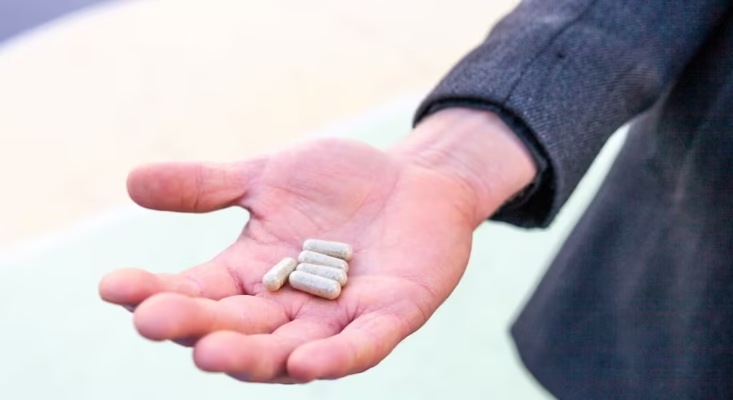
Microdosing is a practice that has gained significant attention in recent years, particularly within the wellness and mental health communities. The concept is simple: Instead of taking a full dose of a psychedelic substance, which would induce a powerful and often overwhelming experience, you take a much smaller dose—usually about one-tenth of a recreational dose. The idea behind microdosing is to experience the subtle benefits of the substance without the intense effects associated with a full psychedelic trip.
When it comes to psilocybin, the active compound in magic mushrooms, microdosing typically involves taking anywhere from 0.1 to 0.3 grams of dried mushrooms every few days. This small dose is enough to influence the brain and body in positive ways, but not enough to cause hallucinations or significant changes in perception. Many people who microdose report feeling more focused, creative, and emotionally balanced. Some also find that microdosing helps to alleviate symptoms of anxiety, depression, and chronic pain.
A Quick History Lesson
Psilocybin has a long and rich history of use in spiritual and religious ceremonies, particularly among indigenous cultures in Mesoamerica. These cultures believed that psilocybin mushrooms, often referred to as “sacred mushrooms,” had the power to connect them with the divine and to facilitate healing and transformation. In the mid-20th century, Western scientists began to take an interest in the potential therapeutic applications of psilocybin, leading to a wave of research into its effects on the mind and body.
Today, psilocybin is once again being explored for its potential to treat a variety of conditions, from depression and anxiety to chronic pain. While research is still in its early stages, the results so far have been promising, and many experts believe that psilocybin could be a game-changer in the field of mental health and pain management.

The Science: How Psilocybin Might Help with Pain
Psilocybin is a naturally occurring psychedelic compound that works primarily by interacting with serotonin receptors in the brain. Serotonin is a neurotransmitter that plays a crucial role in regulating mood, cognition, and perception, as well as pain. One of the key ways psilocybin exerts its effects is by binding to the 5-HT2A receptor, a specific type of serotonin receptor that is involved in modulating various brain functions.
When psilocybin binds to the 5-HT2A receptor, it can alter the way the brain processes information, potentially leading to a reduction in pain perception. This is particularly relevant for chronic pain conditions like chronic pelvic pain, where the pain signals may become entrenched in the nervous system, making them difficult to treat with conventional methods. By modulating the activity of serotonin receptors, psilocybin may help to “reset” these pain pathways, offering relief to those suffering from chronic pain.
What the Research Says
While research on psilocybin and chronic pelvic pain is still in its early stages, there is growing evidence to suggest that psilocybin, and psychedelics more broadly, may have a role to play in pain management. One of the most well-known studies in this area is the 2020 clinical trial conducted at Johns Hopkins University, which found that psilocybin could significantly reduce symptoms of depression and anxiety in patients with life-threatening cancer. These findings are relevant to chronic pain because depression, anxiety, and pain are often interconnected, with each condition exacerbating the others.
Other studies have shown that psilocybin can promote neuroplasticity, the brain’s ability to reorganize itself by forming new neural connections. This is particularly important for chronic pain conditions, where the brain
may become “stuck” in a pattern of pain signaling. By promoting neuroplasticity, psilocybin could potentially help to break these patterns, allowing the brain to form new, healthier pathways.
While there is still much to learn about how psilocybin affects chronic pelvic pain specifically, the existing research on psilocybin’s effects on the brain and body suggests that it could offer a novel approach to pain management. As more studies are conducted, we may gain a better understanding of how psilocybin can be used to help women suffering from chronic pelvic pain.
Chronic Pelvic Pain in the Spotlight
While there are currently no large-scale clinical trials focused specifically on psilocybin and chronic pelvic pain, anecdotal reports from women who have tried microdosing suggest that it may offer relief. Some women report that microdosing psilocybin has helped to reduce the intensity and frequency of their pelvic pain, while also improving their overall mood and well-being.
These reports are supported by the broader body of research on psychedelics and pain management. For example, a 2019 study published in the journal Frontiers in Pharmacology found that psychedelics like psilocybin could reduce pain perception and improve emotional resilience in patients with chronic pain conditions. While more research is needed to confirm these findings, they offer a promising glimpse into the potential of psilocybin as a treatment for chronic pelvic pain.

Real Talk: Benefits of Microdosing for Pelvic Pain
Microdosing psilocybin offers a unique approach to pain management that differs from traditional treatments. While most pain medications work by blocking pain signals or reducing inflammation, psilocybin takes a more holistic approach by addressing the underlying neurological and psychological factors that contribute to chronic pain.
One of the key benefits of microdosing is its ability to enhance emotional resilience. Chronic pain can take a significant toll on mental health, leading to feelings of hopelessness, anxiety, and depression. Microdosing psilocybin has been shown to improve mood, reduce anxiety, and promote a sense of well-being, which can help women better cope with the emotional challenges of living with chronic pelvic pain.
Real Stories and Experiences from Our Community Members
The experiences of women who have tried microdosing psilocybin for chronic pelvic pain vary, but many report positive outcomes. For some, microdosing has provided much-needed relief from the physical pain, allowing them to regain a sense of normalcy in their daily lives. Others have found that microdosing has helped to improve their mental health, making it easier to manage the emotional burden of living with a chronic condition.
One woman, for example, shared her story of using psilocybin microdoses to manage the pain associated with endometriosis. After years of trying various treatments with little success, she turned to microdosing as a last resort. To her surprise, she found that the small doses of psilocybin not only reduced her pain but also helped her to feel more emotionally balanced and resilient. While microdosing wasn’t a cure-all, it provided her with a new tool in her pain management toolkit, one that helped her to reclaim her quality of life.
These stories are supported by the broader body of research on psychedelics and mental health. Studies have shown that psilocybin can promote feelings of connectedness, empathy, and well-being, which can be incredibly valuable for women who are struggling with the isolation and emotional toll of chronic pelvic pain. By enhancing emotional resilience, microdosing can help women to better manage their pain and improve their overall quality of life.

Playing It Safe: Dosage and Best Practices
While microdosing psilocybin offers many potential benefits, it is essential to approach it with caution. Because psilocybin is a potent psychedelic compound, even small doses can have powerful effects on the brain and body. Therefore, it is crucial to start with a low dose and gradually increase it until you find the right balance for your needs.
How to Microdose Like a Pro
If you are new to microdosing, it is essential to start with a very low dose—typically around 0.1 grams of dried psilocybin mushrooms. This small amount is unlikely to cause any noticeable psychedelic effects, but it can still influence your mood, cognition, and pain perception in subtle ways. The goal is to find a dose that provides relief from your symptoms without causing any significant changes in your perception or behavior.
Most people who microdose follow a schedule of taking a dose every three days. This allows the body to process the psilocybin without building up a tolerance, which can diminish its effects over time. It is also essential to keep track of your doses and how they affect you, so you can make any necessary adjustments to your schedule or dosage.
Side Effects and How to Handle Them
While microdosing is generally considered safe, it is not without its potential side effects. Some people may experience mild symptoms such as nausea, headaches, or digestive issues. These side effects are usually short-lived and can often be managed by adjusting your dosage or schedule. If you experience any more severe or persistent side effects, it is essential to consult with a healthcare professional.
It is also important to consider the psychological effects of microdosing. While psilocybin is generally well-tolerated, it can cause feelings of anxiety, paranoia, or confusion in some individuals. If you are prone to anxiety or have a history of mental health issues, it is essential to approach microdosing with caution and to seek guidance from a healthcare professional if needed.
The Bigger Picture: Combining Microdosing with Other Therapies
Microdosing psilocybin can be a valuable tool in managing chronic pelvic pain, but it is not a standalone treatment. For many women, the best results come from combining microdosing with other therapies to create a holistic approach to pain management.

Pairing Microdosing with Mind-Body Practices
One of the most effective ways to enhance the benefits of microdosing is by combining it with mind-body practices such as yoga, meditation, or mindfulness. These practices can help to reduce stress, improve mental clarity, and promote a sense of well-being, all of which can complement the effects of microdosing. For example, yoga can help to release tension in the pelvic region, while meditation can help to calm the mind and reduce the emotional impact of chronic pain.
By combining microdosing with these practices, women can create a more comprehensive approach to pain management that addresses both the physical and psychological aspects of their condition. This integrative approach can help to improve overall quality of life and make it easier to manage the daily challenges of living with chronic pelvic pain.
Expert Insights and What’s Next
The use of psychedelics like psilocybin for medical purposes is still in its early stages, but the potential benefits are becoming increasingly clear. Researchers and healthcare professionals are beginning to recognize the value of psilocybin as a treatment for chronic pain, mental health issues, and other conditions.
Insights from the Experts
Many experts in the field of psychedelics and pain management believe that psilocybin could revolutionize the way we approach chronic pain treatment. Dr. Robin Carhart-Harris, a leading researcher in psychedelic science, has spoken extensively about the potential of psilocybin to “reset” the brain and promote healing in patients with chronic pain. Other researchers, such as Dr. Matthew Johnson at Johns Hopkins University, are conducting clinical trials to explore the effects of psilocybin on various conditions, including chronic pain.
The Future of Psychedelics in Medicine
The future of magic mushrooms and psychedelics in medicine is promising, with growing interest from both the scientific community and the general public. As more research unfolds and more regions move toward decriminalizing or legalizing psilocybin, we can expect its use for medical purposes to expand. This progress could pave the way for innovative treatments for women suffering from chronic pelvic pain and other conditions that are challenging to manage with conventional methods.
For women interested in exploring Microdose capsules or other methods of microdosing as a potential treatment for chronic pelvic pain, it’s important to proceed with caution, keeping legal and safety factors in mind. Options like Mushroom gummies, Magic mushroom chocolates, and Dried magic mushrooms provide different ways to explore psilocybin’s benefits. For those in the area, there are resources available to access magic mushrooms in Toronto. With the right guidance, microdosing psilocybin could present a new avenue for relief to women who have long endured chronic pelvic pain